Mounjaro and alcohol — what's safe, what isn't, and what changes
Most people drink much less on Mounjaro — sometimes by choice, sometimes because it just doesn't sit well. Here's the pharmacist view on tolerance, timing around your weekly injection, and what to be careful of.
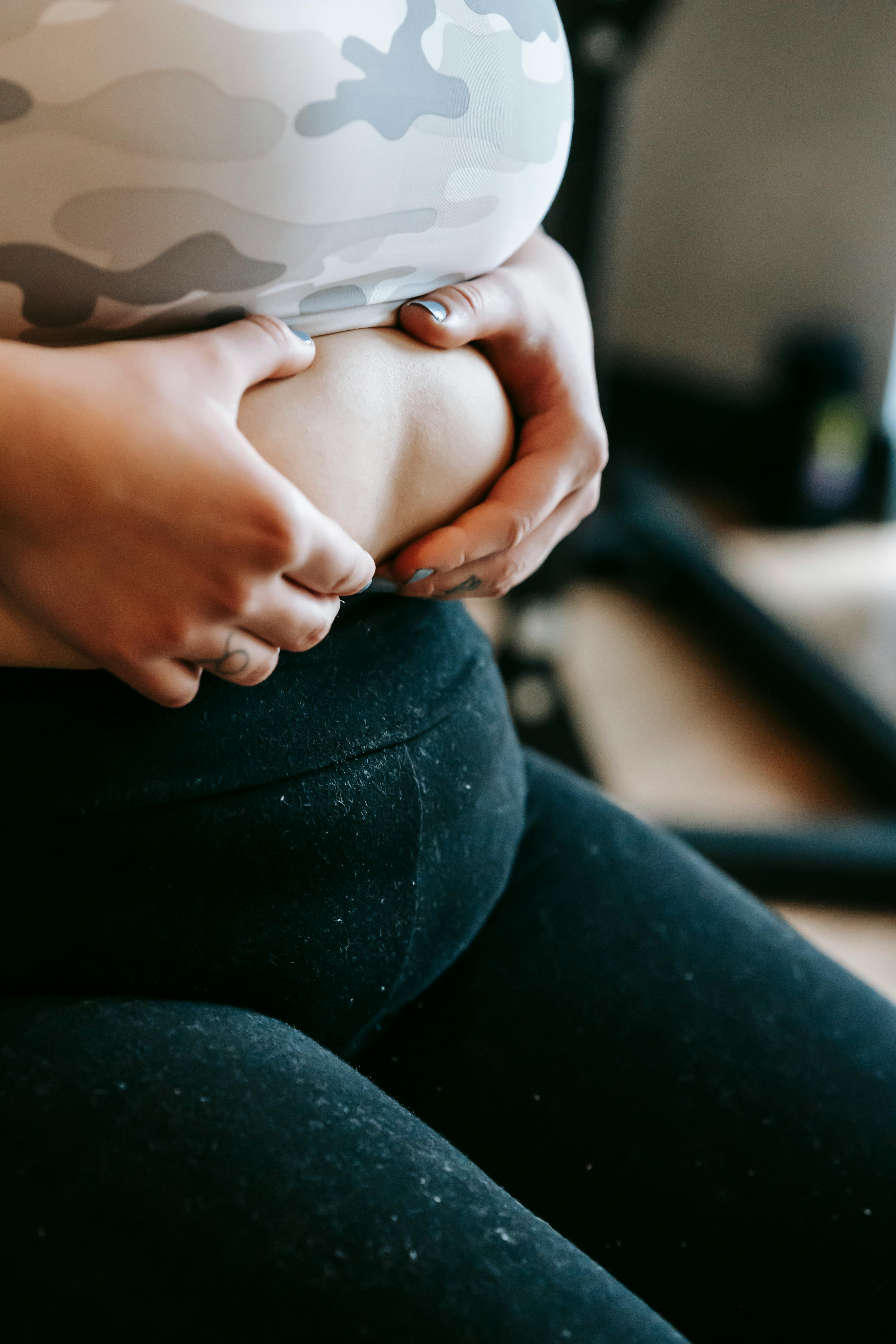
Tolerance drops. The day-after-injection matters most.
One of the most consistent reports from patients on Mounjaro: alcohol changes. Tolerance drops, the appeal often fades, the morning after a couple of drinks can feel much worse than expected, and a meaningful number of people simply stop drinking without trying to. This isn't a side effect listed on the patient information leaflet, but it's a real and well-documented effect that's now being actively studied as a possible therapeutic application of GLP-1/GIP medication in alcohol use disorder.
This guide is the pharmacist view on alcohol and Mounjaro — the mechanism behind the tolerance changes, the timing windows that matter (especially the day after your weekly injection), the safety considerations (pancreatitis risk, hypoglycaemia, dehydration), the calorie maths during weight loss, and the practical drinking advice we give in clinic.
It's general information, not personal medical advice. If you have a history of harmful drinking, liver disease, or pancreatitis, talk to a clinician before assuming the standard advice applies to you.
The short version
Most people drink noticeably less on Mounjaro. Tolerance drops, hangovers feel worse, the appeal often fades, and the day after injection is usually when it feels worst. Small to moderate drinking is not contraindicated. Heavy drinking is unwise on tirzepatide for several specific reasons. If you have a history of pancreatitis, liver disease, or alcohol use disorder, the conversation is different and needs a clinician.
How alcohol and GLP-1/GIP medication interact
Tirzepatide is a once-weekly injectable that activates both GLP-1 and GIP receptors — gut hormone pathways the body uses to regulate appetite, satiety, gastric emptying, and insulin response. For a fuller explanation see our Mounjaro explainer. The same receptor pathways extend into brain regions involved in reward, motivation, and craving — which is why the effects of GLP-1/GIP medication aren't restricted to food alone.
Alcohol interacts with this on two levels:
- Acute interaction. Slowed gastric emptying means alcohol absorption is slower and less predictable, particularly in the first day or two after each weekly dose. Combined with appetite suppression and a smaller stomach window, the same drink that used to be unremarkable can hit harder, feel worse the next morning, or produce more reflux and nausea than expected.
- Chronic interaction. The reward-pathway effect of GLP-1/GIP medication seems to extend to alcohol craving for many patients. Studies of semaglutide in alcohol use disorder (AUD) have shown reduced drinking days and reduced craving; similar effects are now being studied with tirzepatide. This isn't a licensed indication — but it's a documented clinical observation.
The day-after-injection window
Mounjaro is dosed once weekly. For most patients, the day of injection and the day after are when the GLP-1/GIP signal is strongest. That's when appetite suppression is most noticeable — and unfortunately also when alcohol tolerance is lowest, nausea risk is highest, and any reflux tendency is most pronounced.
Practical patterns we suggest in clinic:
- If you drink socially, schedule your injection for a day that doesn't sit immediately before your usual drinking days. For many patients, a Monday injection works well because the worst-tolerance day (Tuesday) is rarely a heavy social night.
- If you have a planned big drinking event (wedding, milestone birthday), think about whether to delay your weekly injection by a day or two. Don't do this routinely — talk to your prescriber about whether and how to time-shift.
- In the first 1–2 weeks at a new dose, side effects (including alcohol intolerance) are usually most pronounced. Give yourself the longer adjustment window before pushing alcohol back to previous levels — or accept the new normal.
Why tolerance drops
Several mechanisms are likely at work:
- Smaller stomach windows. Reduced gastric capacity and appetite suppression mean you're typically eating less alongside drinks. Less food in the stomach means faster systemic alcohol effect for the same intake — and harsher GI symptoms.
- Slowed gastric emptying. Alcohol absorption can become more erratic; you don't always feel it the same way.
- Lower body weight (over months). As you lose weight, alcohol distribution volume reduces, which raises blood alcohol concentration per drink.
- Central reward changes. The reward you used to get from a drink may be muted by the same pathways tirzepatide influences in food reward.
The net effect is consistent: most patients describe needing about half their previous quantity to feel the same effect, with much worse hangovers if they overshoot.
Safety considerations
A few specific safety topics worth knowing about:
Pancreatitis. GLP-1-family medication carries a small but real risk of pancreatitis. Alcohol is itself a leading cause of pancreatitis. The combination of heavy alcohol use and tirzepatide is generally considered to raise pancreatitis risk further. If you have a history of pancreatitis, that's a specific contraindication conversation — talk to your prescriber.
Hypoglycaemia. Tirzepatide on its own doesn't typically cause hypoglycaemia (low blood sugar). But if you're using it with insulin or a sulfonylurea (more common in the type 2 diabetes context than weight management), alcohol meaningfully increases hypoglycaemia risk — especially overnight after evening drinking on an empty stomach.
Dehydration. Alcohol is a diuretic. Tirzepatide can already produce mild dehydration through reduced fluid intake (because you're eating and drinking less overall). Combining the two is one of the fastest ways to make a hangover feel three times worse than it ought to. Sensible hydration matters even more on Mounjaro.
Liver. If you have any pre-existing liver condition, the combined considerations of weight loss, possible nutritional change, and alcohol need a specific clinical conversation.
Gastric and reflux symptoms. Alcohol — especially wine, beer, and acidic mixers — can amplify reflux. If you're already noticing mild reflux as a Mounjaro side effect, alcohol is one of the first things to reduce.
The calorie maths during weight loss
People often forget that drinks are calories. A few practical numbers worth knowing:
- A pint of standard-strength lager: ~180 kcal
- A large (250 ml) glass of wine: ~220 kcal
- A double gin and tonic: ~170 kcal
- A pint of cider: ~210 kcal
- A cocktail: 200–500+ kcal depending on type
An evening of moderate drinking can easily exceed 1,000 kcal. On Mounjaro, where appetite suppression has dropped your daily intake significantly, that's a meaningful proportion of your weekly calorie deficit. Modest drinking is unlikely to derail a programme; weekly heavy drinking very often slows weight loss noticeably, even when food intake feels under control.
The disinhibition effect of alcohol also matters — it's much easier to make food decisions you wouldn't otherwise make after a few drinks. The takeaway you wouldn't have ordered sober, the second helping of dessert, the late-night snack — alcohol is one of the most common triggers of weight loss stalls. See our guide on plateaus for more.
The AUD evidence — an interesting science angle
There's a growing body of evidence that GLP-1 medication may have a role in alcohol use disorder. Early trials of semaglutide and tirzepatide have shown:
- Reduced drinking days per week.
- Reduced heavy drinking days.
- Reduced subjective craving for alcohol.
- Reductions in cigarette smoking in some sub-populations.
This isn't a licensed use of either medication and isn't a reason to use Mounjaro purely for alcohol reduction. But it does help explain why so many patients report unprompted reduction in drinking on tirzepatide — and why the effect is sometimes one of the most welcome outcomes of treatment, especially for people whose drinking had drifted up over time.
If you have an alcohol use disorder and you're considering Mounjaro, this is a clinical conversation that needs specialist input — not a DIY experiment.
Practical drinking advice for Mounjaro patients
The advice we give in clinic, distilled:
- Halve your previous quantity, slow your pace. Most patients find the same effect at half the volume.
- Avoid drinking in the 24–48 hours after your weekly injection, especially in the first 1–2 weeks at any new dose.
- Eat something with the drink. A meal first, even small, reduces nausea and reflux.
- Hydrate aggressively. Water between drinks, water before bed, water with breakfast.
- Skip the spirits chasers and the late-night cocktails. Stronger drinks hit harder and longer on tirzepatide.
- Track how you feel the next morning. If hangovers are consistently disproportionate, that's the medication telling you the new normal is less than before.
- Watch for reflux, persistent vomiting, severe abdominal pain. These are red flags — stop drinking and contact a clinician.
The day of and the day after — a typical pattern
What patients commonly describe through the first few months:
- First 1–2 weeks at a new dose. Alcohol genuinely doesn't appeal. Many patients pause drinking altogether through dose escalations.
- Weeks 3–4 at a stable dose. Some appetite for drinks returns, but volume tolerance is much lower than before. Two drinks feel like four used to.
- Maintenance dose, 6+ months in. Stable new baseline. Many patients have settled into much lower regular consumption than pre-treatment, often by choice rather than effort.
Specific scenarios
Weddings and events. Plan around them rather than ignore them. Eat well beforehand, alternate alcohol with water, accept that you'll drink less than guests around you and that's fine. If you have a major event during dose escalation, talk to your prescriber about timing.
Holidays. Beach holidays often coincide with heat, dehydration, and more drinking than usual. On Mounjaro this combination amplifies side effects. Bring oral rehydration salts; drink less than instinct says; eat regularly.
Stress drinking. If your usual stress-management is alcohol, Mounjaro can disrupt the pattern in ways that occasionally surprise people. If you find your underlying stress hasn't been addressed and another coping mechanism is emerging, that's a conversation to have with a clinician or therapist.
Social pressure. 'Why aren't you drinking?' is a common question patients face. A short, simple line works best — 'I'm on a medication that doesn't mix well with alcohol' is true and ends the conversation.
Red flags — when to stop and call
If you experience any of the following after drinking on Mounjaro, stop and seek medical care:
- Severe, persistent upper abdominal pain (especially radiating to the back) — possible pancreatitis.
- Severe vomiting that prevents you keeping fluids down.
- Yellowing of the skin or eyes (jaundice) — possible liver or gallbladder problem.
- Confusion, severe weakness, fainting — possible severe dehydration or, in diabetes contexts, hypoglycaemia.
These are rare but they need urgent care, not waiting it out at home.
The bigger picture
Alcohol changes on Mounjaro are part of a wider pattern: tirzepatide quiets the reward signals around food and (for many) drink alike. For most patients the result is a meaningful, sustainable drop in alcohol consumption — often with knock-on benefits for sleep, mood, weight loss progress, and overall wellbeing. For others it's an unwelcome disruption to a habit they enjoyed. Either way, the change is real and worth being aware of from day one rather than discovering in the middle of a wedding reception.
For more on what to expect across the first 6 months on Mounjaro, see our month-by-month side effects guide and our guide to managing plateaus.
The next step
If you're considering Mounjaro and you want to talk through what alcohol changes might look like for you — or if you're already on treatment and finding the alcohol piece harder than expected — a short consultation is the easiest way to set a workable plan.
What's included in your weight loss consultation.
Free initial consultation, GLP-1 prescription on-site by an Independent Prescriber, monthly progress reviews. No subscription, no contract.
Free initial consultation
Mounjaro (tirzepatide)
Wegovy (semaglutide)
Independent Prescriber on-site
Monthly progress reviews
Stop anytime
Three steps from consultation to first injection.
Free consultation, prescription, monthly reviews. Stop anytime.
Free initial consultation
Prescription and first injection
Monthly reviews and dose escalation
1.6 miles south of Leicester city centre. Free street parking, buses 31, 47, 47A from London Road.
Walk-in welcome Monday to Saturday. Same-day bookings available most of the time.
1.6 miles south of Leicester city centre — Clarendon Park, off London Road (A6). Free street parking on Clarendon Park Road and Springfield Road. London Road buses 31, 47 and 47A all stop within a few minutes' walk.
- Mon09:00 – 19:00
- Tue09:00 – 19:00
- Wed09:00 – 19:00
- Thu09:00 – 19:00
- Fri09:00 – 19:00
- Sat09:00 – 17:00
- SunClosed
The questions patients ask most often about alcohol on Mounjaro.
If your question isn't here, give us a call and we'll talk it through.
References for this page
Every clinical claim above is sourced from an authoritative public reference.
- 01MHRA / electronic Medicines Compendium — Mounjaro SmPC
- 02NICE NG115 — Alcohol-use disorders: prevention
- 03NICE CG100 — Alcohol-use disorders: physical complications
- 04UK Chief Medical Officers — Low risk drinking guidelines
- 05GPhC register — Mohammed Kolia (2073260)
This guide is general information, not personal medical advice. If you have a history of harmful drinking, liver disease, or pancreatitis, your specific advice should come from a consultation with a clinician.